How many welfare units do I need on site? It’s usually the first question on the list when a winter project gets underway, closely followed by a few more about heating, drying space and what the HSE expects.
The best is to get the numbers right before the first hard frost. The right welfare range and anti-vandal canteens and drying rooms cover most winter sites, but let’s have a closer look at what your site might need.
Quick Breakdown
- CDM 2015 sets out the welfare every construction site needs, from day one to the final handover.
- The right number of units comes down to headcount, shifts, site layout and how long you’re there.
- UK law sets no minimum temperature for outdoor work, but rest areas must be kept at an appropriate temperature.
- Wet gear needs somewhere to dry, so a proper drying room earns its keep from October onwards.
- Self-contained units take mains connections (and exposed supply pipes) out of the equation.
Want to Book Your Winter Welfare Units Early?
Demand picks up once the weather turns, and your site can’t start until welfare is in place. Take a look at the Solo 16 or get in touch, and we’ll help you size up your needs.
What Are the HSE Welfare Requirements on a Construction Site?
The rules sit in Schedule 2 of the Construction (Design and Management) Regulations 2015. According to HSE’s welfare guidance, contractors provide the facilities, and clients have to make sure it happens.
We know that nobody gets excited about paperwork, but the list itself is pretty short.
Every site needs:
- Toilets, flushing where possible, with chemical units acceptable where they’re not
- Washing facilities with hot and cold (or warm) running water, soap and a way to dry your hands
- Drinking water that’s clearly marked and easy to get to
- Somewhere to rest and eat, with enough seats and a way to boil water
- Changing and drying facilities for wet or special clothing
HSE also notes that separate facilities may be needed for men and women.
How Many Welfare Units Do I Need on Site?
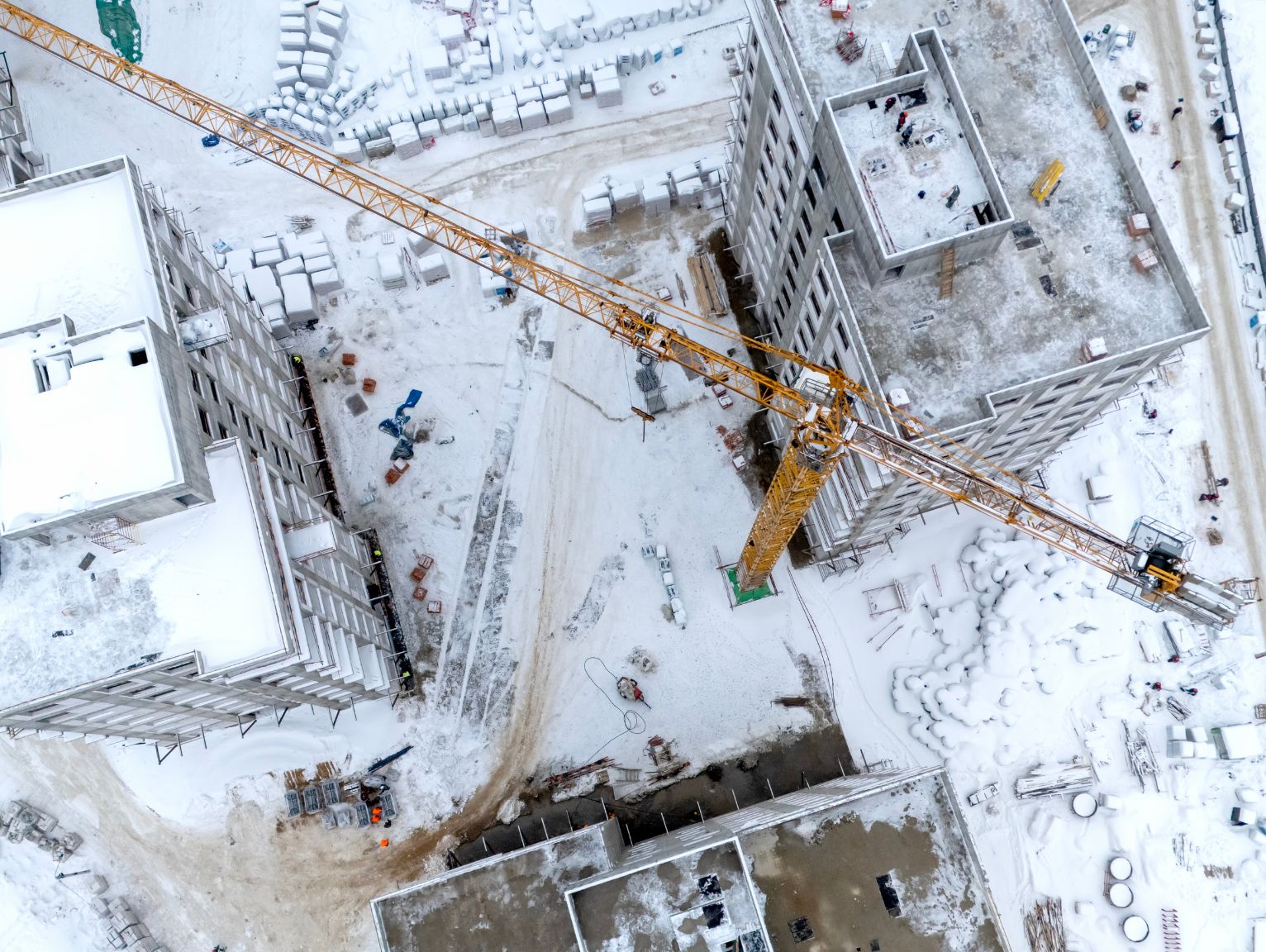
It depends on the size and type of job, and HSE says so as well. A couple of reference points help, though.
The Figures Worth Knowing
For chemical toilets, HSE’s toilets and washing guidance points to British Standard BS 6465-1, which recommends one toilet for every seven people working a 40-hour week. That assumes weekly servicing, so a busy site may need more units or more frequent emptying.
For flushing toilets and washbasins, HSE suggests using the tables in the Workplace Regulations Approved Code of Practice as a guide, even though those regulations don’t strictly apply to construction.
Which Factors Decide the Rest?
The rest comes down to:
- Peak headcount. Plan for your busiest week.
- Shift patterns. Overlapping or night shifts mean more people using the canteen at once.
- Site layout. HSE wants the walk-to facilities to be kept as short as possible, so large or spread-out sites may need satellite units.
- Main connections. No water or power on site yet means self-contained units.
- Project length. A three-week job and a nine-month build call for very different setups.
For bigger crews, toilet blocks take the pressure off, and portable toilet hire works well for the far corners of a large site.
Minimum Temperature on a Construction Site in the UK
UK law sets no minimum temperature for outdoor construction work. What it does require, though, according to HSE’s guidance on workplace temperature, is protection from adverse weather on outdoor sites and rest facilities kept at an appropriate temperature.
For indoor workplaces, the Approved Code of Practice suggests at least 16°C, or 13°C where much of the work is physically demanding. That figure is guidance rather than a hard legal limit, but it’s a sensible target for your canteen and site office.
HSE’s advice on changing, eating and rest areas also calls for heating in winter, noting that properly maintained electric heaters avoid the carbon monoxide risk that comes with LPG.
Easy Winter Site Setup Checklist
Somewhere to Dry Wet Gear
HSE expects changing areas to have facilities for drying clothing where needed, and in a British winter, that’s most weeks (thanks, weather). A dedicated drying room helps kit dry out between shifts and keeps puddles out of the canteen.
A Warm Canteen
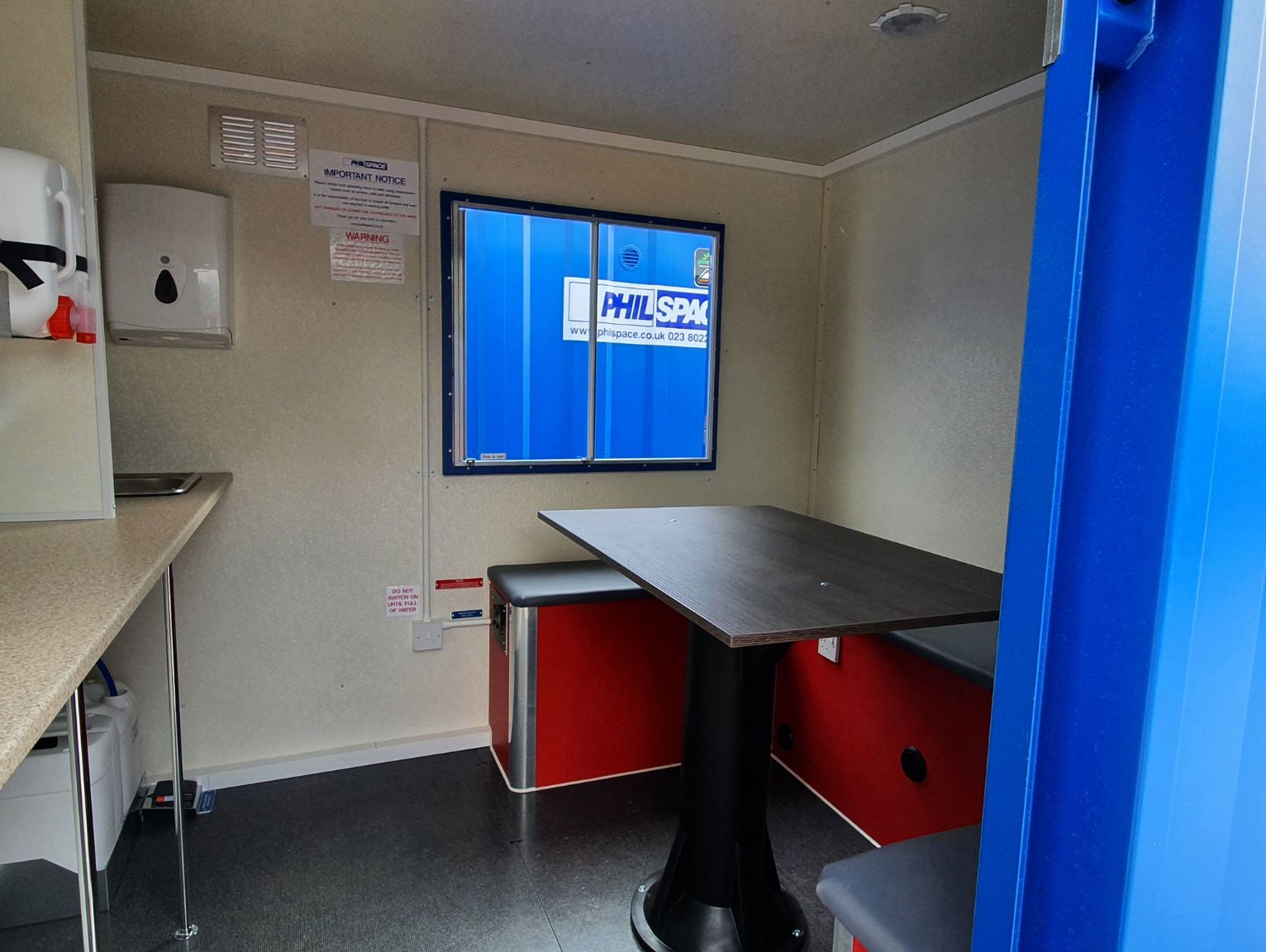
Check the heaters work before the first cold snap, keep doors shut between breaks and make sure there’s seating for everyone on shift at once. A hot brew in a warm cabin goes a long way at 7am in January.
Lighting for Shorter Days
With daylight gone by late afternoon, light the routes between work areas, welfare units and parking. Dark sites also attract thieves, so secure storage containers and Heras fencing are worth lining up too.
Frozen Water Supplies
Temporary pipework running across an open site is prone to freezing. Self-contained units carry their own water tanks and power supply, so there’s less exposed pipe to worry about. Our solar-powered Solo 6 Eco also helps cut fuel use on smaller sites.
Ground Conditions for Delivery
Our Hiab lorries need firm, level access to position units safely. If your ground is already churned up, tell us when you book, and we’ll plan the drop around it.
Want to Get Your Winter Site Setup Sorted?
At Philspace we’re proud to be a family-run Hampshire business with more than 50 years in-site accommodation.
We run a fleet of over 1,700 units and deliver them with our own Hiab lorries and trained drivers, so the team planning your drop is the team turning up.
From a single Solo unit for a small crew to a full compound of canteens, drying rooms and toilet blocks, we’ll help you size it for winter. Get in touch or browse our temporary site accommodation to get started.
FAQs
How do I work out how many welfare units I need on site?
Start with your peak headcount, then factor in shift patterns, site size, mains availability and project length. For chemical toilets, HSE guidance references a British Standard recommending one toilet per seven people working a 40-hour week.
Is there a minimum temperature for working outside in the UK?
No, UK law sets no minimum temperature for outdoor work. Employers must still assess the risks of working in the cold and provide protection from adverse weather. Site rest facilities also need to be kept at an appropriate temperature.
What welfare facilities does the HSE require on a construction site?
CDM 2015 requires toilets, washing facilities with running water, drinking water, somewhere to rest and eat, plus changing and drying facilities. Contractors must provide them, and clients must make sure that happens.
Can welfare units work without mains water or electricity?
Yes. Self-contained welfare units carry their own water tanks and power supply, so they can go on-site before any connections are in. They still need to meet the same HSE standards for toilets, washing and rest areas.