The Chancellor delivered the Autumn Budget on 28 October 2026, and if you’re setting 2027 site budgets now, you need to know what the impact is going to be. So, how will the Autumn Budget affect construction costs? Mostly through wages, fuel, tax relief on kit and where the work is coming from. Here’s what touches your site, from the cabins to the welfare units, with the rest left out.
Quick Breakdown:
- The National Living Wage rises 3.9% to £13.21 an hour from 1 April 2027.
- Fuel duty and red diesel cuts run to 1 July 2027, so expect fuel costs to step up after that.
- Buying new kit earns a bigger first-year tax allowance, but the cash still goes out upfront.
- New social housing money and a £750 billion infrastructure pipeline point to steadier public work.
- Hiring welfare, storage and fencing keeps costs predictable and scales with each project phase.
Ready to Plan Your 2027 Construction Costs?
Wages go up in April and fuel duty goes back up in July, so it’s worth pricing your site setup now. Tell us what each project needs and we’ll quote your welfare units, secure storage containers and temporary fencing phase by phase. Get in touch to book a free site visit.

Labour Costs: Wages Up, Tax Rates Held
From 1 April 2027, the National Living Wage rises 3.9% to £13.21 an hour, and the apprentice rate goes up to £8.31. Headline rates of income tax, National Insurance and VAT are set to stay where they are, so if your labour or subcontract rates sit close to the minimum, you can expect that 3.9% to show up in spring quotes.
Finding people is likely going to be the bigger challenge.
The Construction Products Association puts construction employment at 2.07 million in Q2 2026, 14.5% below its early 2019 peak. Large government construction and infrastructure projects will also need at least 3% of their workforce to be apprentices. More apprentices are going to necessitate more welfare space, so make sure you get prepared ahead of time.
Fuel and Red Diesel Will Stay Cheaper Until July 2027
The 5p fuel duty cut now runs to 1 July 2027, with the planned RPI rise deferred to the same date. The 3.7p red diesel cut is extended to July too. After that, red diesel goes back to its pre-March 2022 rate and rises with RPI; the HGV road tax holiday ends as well.
With the recent spikes in diesel prices, that helps plant, generators and deliveries. It’s probably safe to assume that fuel costs will climb in the second half. Eco units like the Solo 6 Eco use solar panels to reduce generator running time, which helps you to save whatever the duty rate.
Capital Allowances Mean A Bigger Upfront Break for Buying Kit
From 1 January 2027, the main rate first-year allowance rises from 40% to 50%. From April 2027, the main writing-down allowance falls to 12%, while full expensing for companies stays. What that means in plain terms is that buying new plant equipment or units gets more relief in year one and slower relief on the balance.

That relief arrives through your tax bill later.
You pay the full price when you buy, and the tax relief only comes back later. Borrowing to buy also costs more right now, with the OBR expecting inflation to peak at 3.8% in early 2027 and interest rates expected to stay higher. Take the time to ask your accountant how the allowances apply to you, especially for second-hand units.
What the Housing and Infrastructure Pipeline Looks Like
The Budget is clear in its backing of public building:
- An extra £1.5 billion for around 10,000 social and affordable homes, taking the programme past £40 billion over 10 years.
- £4.7 billion for the Your First Home equity-loan scheme, aimed at 70,000 households.
- A Biodiversity Net Gain exemption for residential brownfield sites up to 1.5 hectares.
- No major building regulation changes for the rest of this Parliament, except on building safety.
- An updated Infrastructure Pipeline setting out over £750 billion of investment over 10 years.
Private demand is softer.
The CPA forecasts private new-build housing output falling 3% in 2027 after a 10% drop this year, while infrastructure grows 2.9%. Hampshire and the Solent are also among the areas leading the government’s devolution push, so local building firms can likely expect steadier public and infrastructure work, with private schemes a bit more more stop-start.
Hire vs Buy Site Accommodation in 2027
With costs rising and the pipeline patchy, flexibility is worth having.
Why Hiring Keeps 2027 Budgets Flexible
Hire costs are a very predictable operating spend. You add units at peak, off-hire them as phases finish and keep your capital in the job. On a phased build, a 50/50 store covers welfare and storage in one footprint while numbers are low.
When Buying Makes More Sense
If you run a permanent yard, a long-term depot or a framework that keeps the same units on site for years, buying can work out cheaper. The bigger first-year allowance helps, and quality-checked used units cut the outlay further. Weigh duration, utilisation and where the unit lives between jobs (which nobody budgets for until it’s sitting in the yard).
Budgeting for Construction Sites After the Autumn Budget
For your 2027 numbers:
- Add 3.9% to minimum-wage-linked labour lines from April.
- Split fuel and red diesel at 1 July.
- Price welfare, storage and fencing per phase rather than per project.
- Keep a materials contingency; the Budget itself says the cost of building a home is at a record high.
Want to Get Ahead of Your 2027 Construction Costs? Sort Your Welfare With Philspace
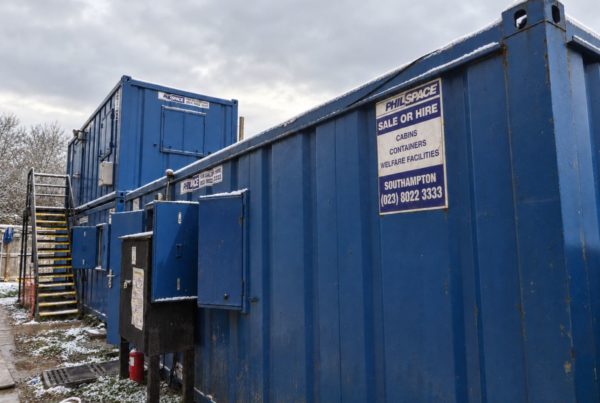
Philspace has been family-run in the Hampshire area since 1975 and is now on its third generation. We hire and sell welfare units, accommodation, storage, toilets and fencing from our own fleet of over 1,700 units, positioned by our own Hiab lorries. One call, one team, nothing subcontracted. Our eco units use solar power to cut generator fuel, and we sell used units when buying suits you better. Book a free site visit through our contact page or call 023 8022 3333.
FAQs
How will the Autumn Budget affect construction costs in 2027?
Mainly through labour, fuel and tax relief. The National Living Wage rises 3.9% from April 2027, and the fuel duty and red diesel cuts end on 1 July 2027. The main first-year allowance rises to 50%, which helps if you buy new kit.
Is it cheaper to hire or buy welfare units?
It depends on how long you need them. Hire suits fixed-term and phased projects because costs scale with the job and no capital is tied up. Buying can suit permanent or multi-year needs, and used units bring the upfront cost down.
What happens to red diesel after the 2026 Budget?
The 3.7p red diesel duty cut is extended to 1 July 2027. After that, the rate returns to its pre-March 2022 level and rises with RPI.
What affects welfare unit hire costs in Hampshire?
Unit size, hire length, servicing and delivery to your site are the main factors. Eco units with solar panels can reduce generator fuel spend. A free site visit is the quickest way to an accurate figure.