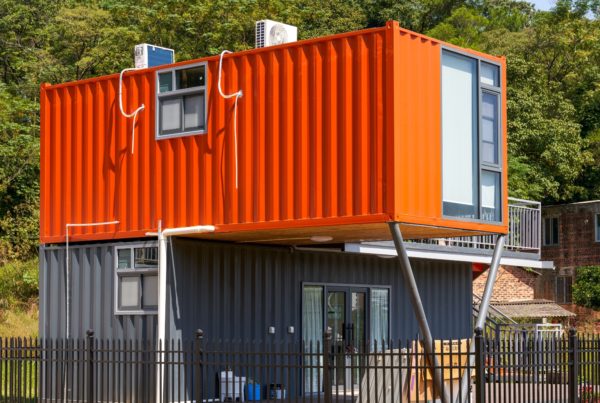
In recent articles, we’ve spoken about the various uses that shipping containers can have as first aid rooms, their use on building sites and even the ways that people are converting them into homes. That’s because the versatility of shipping containers is one of their best assets, and none are more flexible than mobile welfare units.
From welfare units on construction sites to temporary site welfare for remote teams, having the right setup in place is an incredible bonus. So, whether you’re looking at groundhog unit hire in the UK or a fully self-contained container solution, flexible welfare space keeps your project compliant, productive and professional.
Shipping container welfare units are one of the best ways to deliver secure, self-sufficient facilities wherever work is happening. They are built for mobility and durability and can provide toilets, water access, power and heated space in one compact footprint.
What Is A Mobile welfare unit?
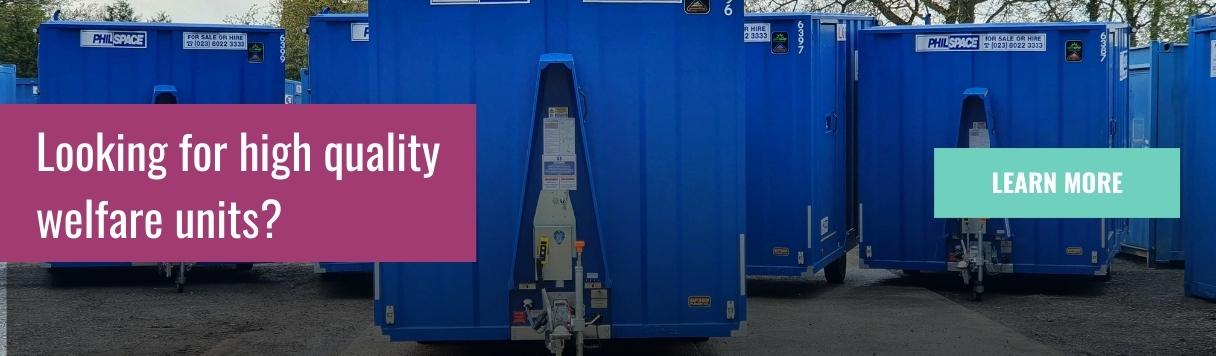
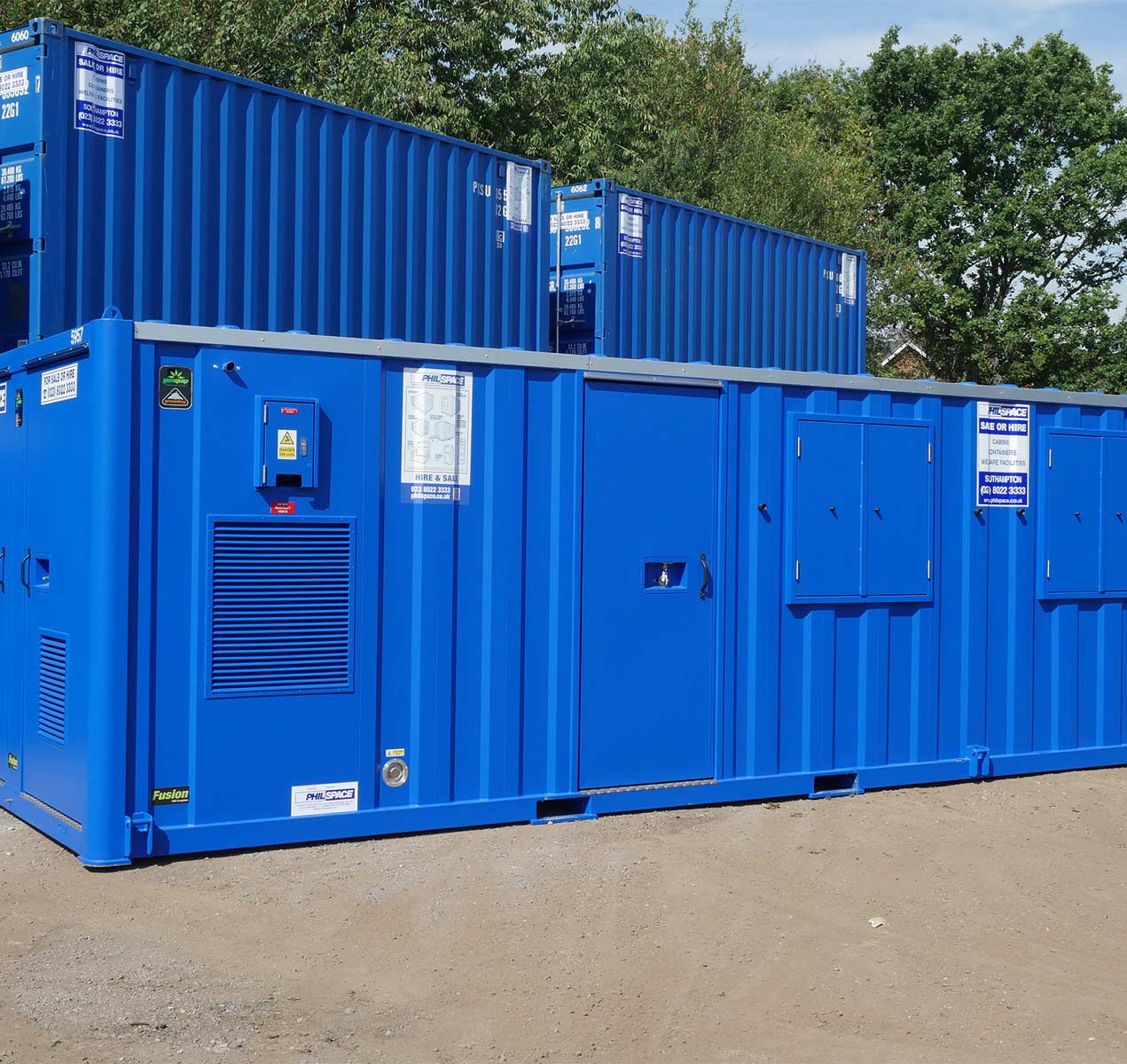
A mobile welfare unit (also called a groundhog unit) is a self-contained, transportable facility designed to provide essential welfare units on construction sites and other temporary workplaces. Most of them (like the ones we provide at Philspace) include toilets, water supply, generators, heating and seating areas.
The purpose is simple: deliver compliant temporary site welfare wherever your team is working, without relying on permanent infrastructure. These units can be towed into position, connected quickly and be operational within hours.
So, for projects exploring groundhog unit hire in the UK or longer-term container solutions, flexibility is the key advantage.
1. First Aid Stations On Construction Sites
Health and Safety Executive requirements mean every site must provide appropriate first aid facilities. On fixed premises, that may mean a dedicated room. On construction sites, landscaping projects or remote infrastructure works, it requires a mobile solution.
A mobile welfare unit provides:
- Reliable lighting and heating
- Hot and cold water access
- Secure, weatherproof treatment space
- Immediate on-site availability
Instead of relying on temporary makeshift areas, welfare units on construction sites create a controlled environment that supports compliance and faster response times. If you’re reviewing your temporary site welfare provision, it’s worth double-checking that your first aid setup matches both the project risk level and the workforce size.
Need Practical Temporary Site Welfare Advice?
If you’re planning a project and unsure which mobile welfare unit suits your workforce size or compliance requirements, speak to the Philspace team. We can give you the right setup to protect your people and avoid unnecessary costs.
2. Site Offices In Remote Or Rural Locations
Construction projects don’t always take place in convenient office park settings. A lot of them operate in rural, roadside or undeveloped areas where hiring external premises adds cost and complication.
A mobile welfare unit configured as an office gives you:
- Heated workspace
- Seating for meetings and admin
- Secure overnight storage
- On-board power supply
Instead of having to transport teams off-site for briefings or paperwork, welfare units on construction sites centralise operations where work is happening.
3. Rest And Recreation Facilities
Temporary site welfare is not only about compliance. It directly impacts workforce morale and productivity, especially on night shifts. Teams working in isolated areas can’t easily access cafes or indoor rest areas.
Yet regulations are clear; they require suitable break facilities, and practical experience shows rested teams work more efficiently.
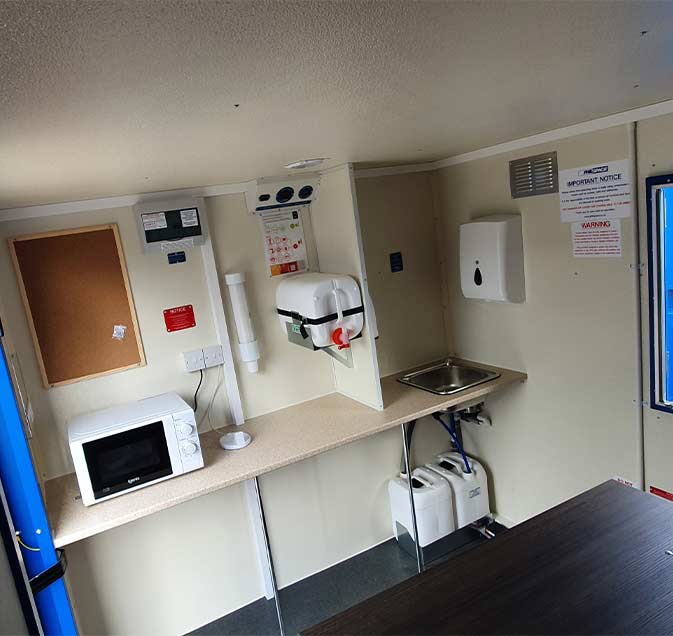
A mobile welfare unit can help your team with:
- Warm, comfortable seating areas
- Food and drink preparation space
- Dry shelter during adverse weather
- Secure, private break space
Rather than staff leaving the site to find facilities, welfare units on construction sites allow breaks to happen safely and efficiently. The ability to bring rest space to your workforce reduces lost time and improves daily operations, as well as compliance.
4. Changing Rooms And Drying Facilities
In construction, highway maintenance and landscaping, exposure to mud, dust and hazardous substances is routine. That makes proper changing and drying facilities essential.
A mobile welfare unit can usually incorporate:
- Secure personal storage
- Changing areas
- Drying rooms
- Laundry capability (depending on setup)
Choosing The Right Mobile Welfare Unit for your Construction Site
At Philspace, a range of mobile welfare unit solutions is available to meet different workforce sizes and project durations. Each unit is designed to meet HSE and CDM requirements while incorporating anti-vandal protection.
The Solo 6
Designed with mobility and ease of use at the forefront of our minds, the Solo 6 is straightforward to tow and install. It features a built-in chemical toilet and generator and can comfortably seat up to six people. Find out more here.
The Solo 16
For more extensive welfare unit needs, consider the Solo 16. As the name suggests, this larger unit comfortably seats up to 16 people and includes a drying room, toilet and weekly service contract, as well as its own self-contained water supply. Learn more here.
The Combi
This unit features the best of both worlds. Perfect for an office or canteen layout, it utilises mains water supplies to provide hot water, as well as seating for up to eight people. A partition door can also be installed, if required. More information is available on our site.
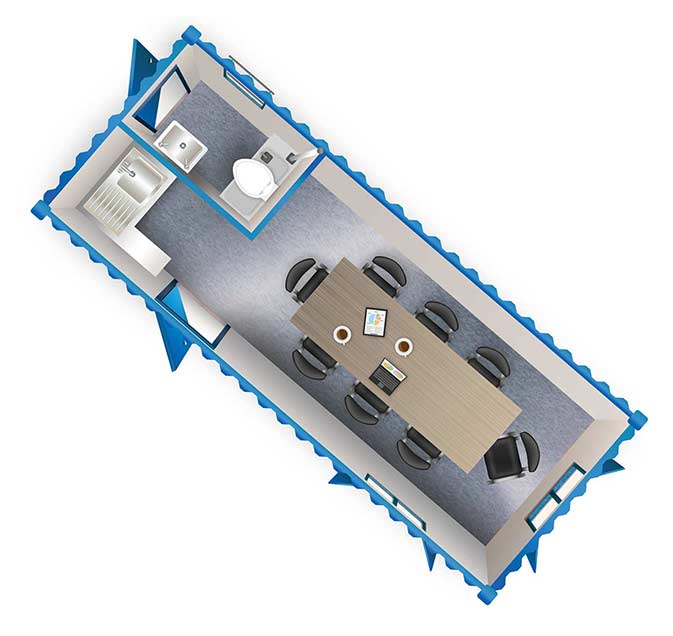
An example of a Combi Unit Floorplan
Want to Find the Ideal Mobile Welfare Unit for Your Project?
Whether you need short-term temporary site welfare, larger welfare units on construction sites, or are reviewing UK groundhog unit hire options, selecting the correct specification protects compliance, efficiency and workforce wellbeing.
At Philspace, we provide practical, scalable mobile welfare unit solutions built around real-world site demands. Get in touch with us today to find out more.
FAQs
What is included in a mobile welfare unit?
Most mobile welfare unit setups include toilets, handwashing facilities, heating, seating areas and power supply. Larger units may also include drying rooms and office space.
Are welfare units required on construction sites?
Yes. Welfare units on construction sites are required under UK health and safety regulations to provide suitable washing, rest and sanitation facilities.
How long can temporary site welfare units be hired for?
Temporary site welfare can be hired short-term for specific projects or longer-term depending on duration and operational needs.
What is groundhog unit hire in the UK?
Groundhog unit hire UK typically refers to towable mobile welfare units commonly used on smaller construction projects. They offer compact, self-contained welfare facilities.
How do I choose the right welfare unit size?
The correct mobile welfare unit depends on workforce size, project length and whether additional features such as drying rooms or office space are required.