You don’t need a commercial lease, a planning application, or a team of architects to build a fully functioning gym. All you need is a shipping container and a bit of vision.
Container gyms have been getting more popular over the last few years, and it’s not hard to see why. They’re tough, flexible, and cost-effective, and they can go pretty much anywhere, making them one of the best healthy uses for shipping containers.
What Is a Shipping Container Gym?
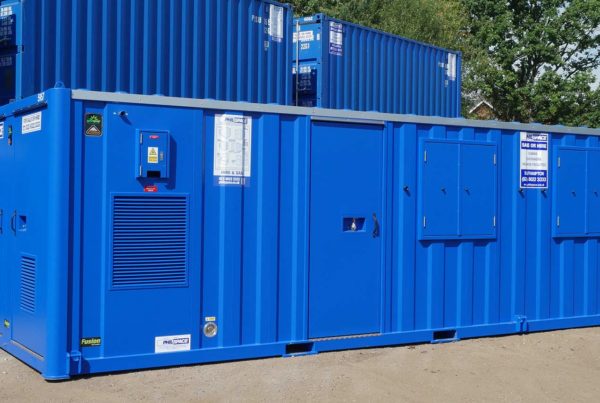
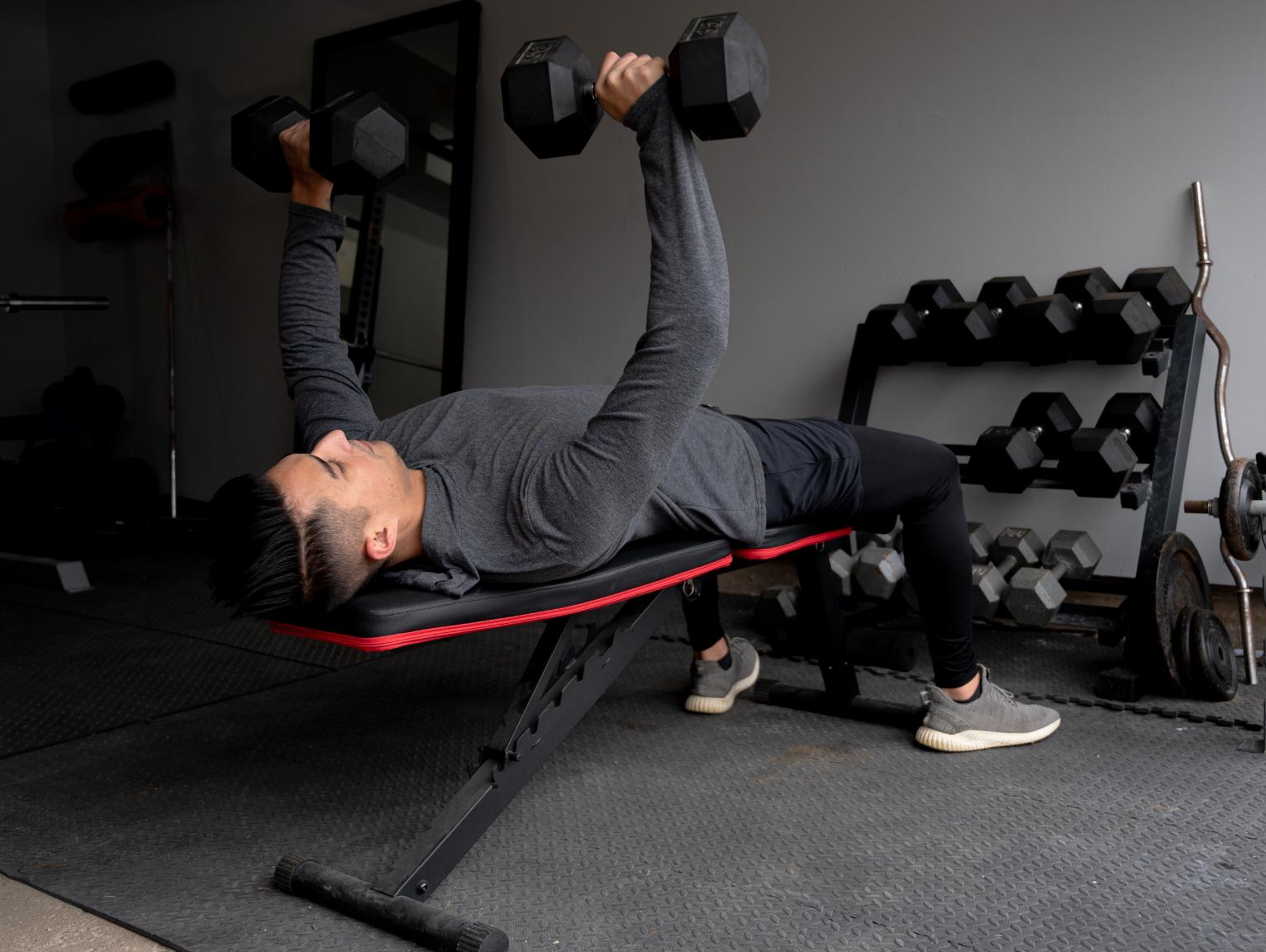
A container gym is exactly what it sounds like: a standard steel shipping container converted into a dedicated workout space. Strip it out, insulate it, fit rubber flooring, add lighting, ventilation and whatever equipment suits your needs, and you’ve got a private, weatherproof fitness facility that can be placed almost anywhere.
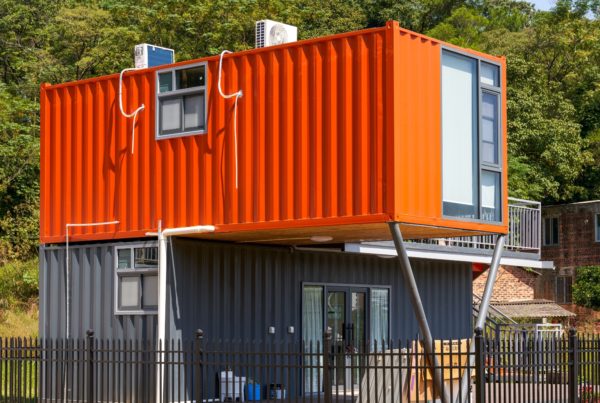
Most builds start with either a 20ft or 40ft container. A 20ft unit gives you enough room for free weights, a bench, a pull-up rig, and a cardio machine without feeling cramped. A 40ft opens things up considerably; you could run group sessions or set up dedicated zones for different types of training. If you really want to go for it, containers can be stacked or combined to create something genuinely impressive.
The steel shell handles the British weather without complaint, too.
Insulation keeps things warm in January and bearable in August. A decent ventilation setup or split-unit air conditioning sorts the rest. Once it’s fitted out, a container gym is as functional as anything you’d find on a commercial high street, at a fraction of the long-term cost.

Why a Container Gym Makes Sense
The average gym membership in the UK costs around £50 a month. That’s before you factor in the commute, the packed car park, and waiting around for equipment to free up. A container gym eliminates all of that. It’s there when you want it, whether that’s first thing in the morning, late at night, or whenever your schedule allows. No queues, no membership fees, no one hogging the bench press.
One of the best things about a container gym is that it’s entirely yours. You decide the layout, the equipment, the lighting, and the music. Whether you’re into heavy lifting, cardio, yoga, or a mix of everything, the space works around you rather than the other way round. That’s something no commercial gym can offer.
Thinking About Getting Started?
We’ve got a regularly updated stock of used containers that have been fully inspected and are ready to go. Take a look at our used sale items to find the right unit for your project or get in touch to find out more.
Getting Set Up: What to Think About
If you’re considering a container gym, a few things are worth working through before you pull the trigger.
Choose the Right Size
Be honest about who’ll use it and how often. A 20ft container is a solid starting point for solo use or occasional sessions with a training partner. Go bigger if you’re planning group training or want room to grow.
Think Carefully About a Fit-Out
Rubber flooring, insulation, electrics, and ventilation are the non-negotiables. Everything else (mirrors, equipment rigs, air con) depends on your budget and how seriously you want to kit it out.

Take the Time to Consider Planning
In most cases, shipping containers are classed as temporary structures and don’t require planning permission. That said, it’s always worth a quick check with your local authority before you commit, particularly if the unit is going somewhere visible or near a boundary.
If you’re not looking for a full conversion straight away and just want to get started, a good-quality used container gives you a solid base. We sell used units that have been fully inspected and maintained — they’re a practical way in without a huge upfront outlay.
Looking for Used Sale Options for your Container Gym?
A container gym starts with the right unit, and that means something structurally sound, weathertight, and ready to be fitted out without nasty surprises. Our used sale items are fully inspected before they go anywhere near a customer, so you know exactly what you’re getting.
Browse what we’ve got in stock, and if you’re not sure which size or spec suits what you’ve got in mind, give us a call on 02380 223333 and we’ll talk it through, or get in touch online.
FAQs
What is a shipping container gym?
A shipping container gym is a standard steel shipping container converted into a dedicated fitness space. The container is insulated, fitted with rubber flooring, ventilation, and lighting, then equipped with gym equipment. Container gyms are typically installed in gardens and can be moved or sold on when no longer needed.
Do shipping container gyms require planning permission in the UK?
In most cases, shipping container gyms do not require planning permission because they are classified as temporary structures. However, rules vary by location, so it is always advisable to check with your local planning authority before installation, particularly if the container is being placed in a visible or restricted area.
What size shipping container do I need for a home gym?
A 20ft shipping container is the most popular choice for a home gym. It provides enough space for free weights, a bench, a pull-up rig, and a cardio machine without feeling cramped. A 40ft container suits those wanting group training space or multiple dedicated workout zones.
What are the healthiest uses for a shipping container?
Shipping containers can be converted into gyms, yoga studios, rehabilitation spaces, and outdoor wellness areas. Their weatherproof steel construction makes them well-suited to any active use that benefits from a private, self-contained, and durable space without the cost or permanence of a traditional building extension.